A Critical but Often Overlooked Process in Rolling Mills: Bundling Operations and Their Impact on Efficiency
Why is the Bundling Operation a Critical Point in Rolling Mills?
In rolling mill production processes, the focus is often placed on line speed, rolling mill performance, or automation systems. However, the bundling operation is one of the most critical—yet frequently overlooked—processes that directly impacts the overall production flow.
Especially in many plants where manual bundling methods are still widely used, this creates significant risks in terms of both operational efficiency and workplace safety.
Key Problems Caused by Manual Bundling Processes
Traditional manual bundling methods are increasingly insufficient to meet the demands of modern rolling mills. The main negative impacts of these methods include:
- Increased workplace safety risks
- Limitations on line speed
- Inconsistencies and fluctuations in bundle quality
- Higher labor costs
- Frequent stoppages and production losses due to re-bundling
Modern Tying Machines: Built for Today’s Rolling Mill Requirements
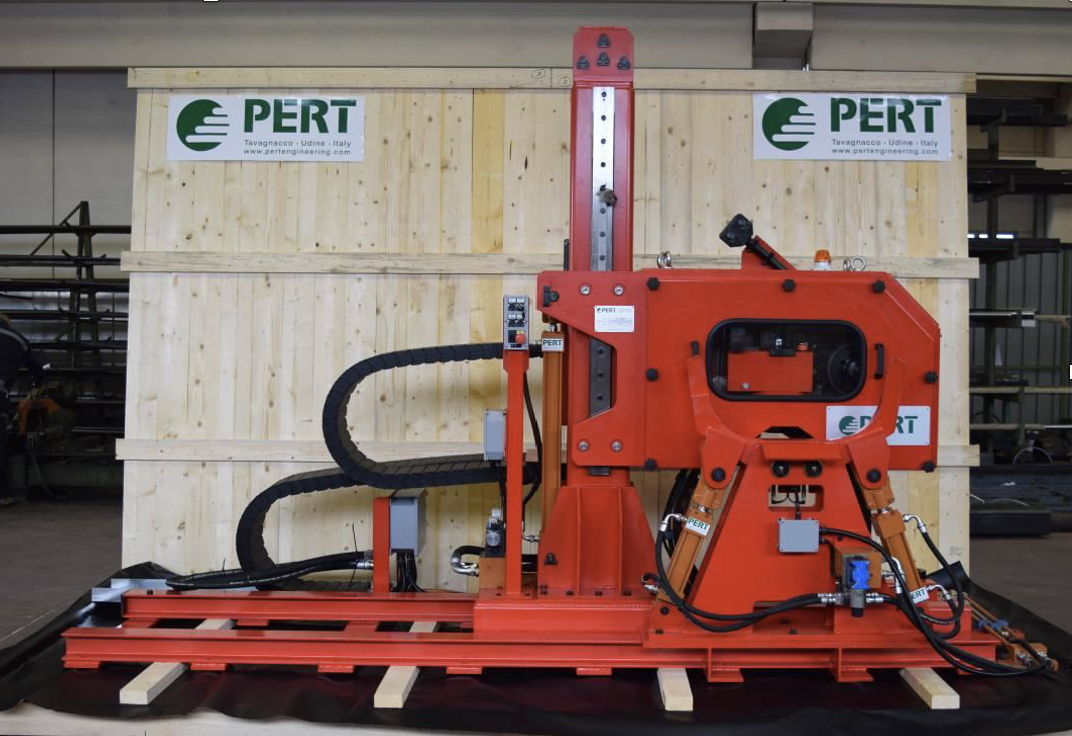
Today’s production standards demand not only higher speed, but also greater safety and process stability. Modern bundling systems, developed in line with these requirements, are specifically optimized for rebar and wire rod rolling mills.
Key Advantages of Modern Tying Machines
✔️ Stable and Consistent Bundle Quality
Ensures the same bundling quality in every production cycle, improving overall process consistency.
✔️ Increased Line Efficiency
Minimizes bundling time, directly contributing to higher overall production speed.
✔️ Reduced Labor Dependency
Limits manual intervention, resulting in lower operational costs and improved efficiency.
✔️ Safer Working Environment
Reduces operator-related risks and significantly enhances workplace safety.